7 Things You Need to Know About New Zealand’s Laptop Import Shortage Crisis
New Zealand businesses are grappling with the worst laptop availability crisis in years as global supply chain disruptions and increased trade tensions create perfect storm conditions. With lead times stretching beyond six months and prices climbing 40% year-on-year, companies are scrambling to secure essential hardware.
The laptop shortage hitting New Zealand isn’t just another supply chain hiccup — it’s reshaping how businesses plan their technology investments. From Wellington startups to Auckland enterprises, organisations are discovering that the days of ordering laptops on demand are firmly behind us.
Shortage Impact at a Glance
1. Lead Times Have Blown Out to 26 Weeks
What used to be a two-week wait for business laptops has exploded into half-year delays. Major distributors are quoting 20-26 weeks for popular models, with some premium configurations pushing into early 2027 delivery slots. This isn’t just affecting small orders — even bulk corporate purchases are facing unprecedented delays.

The ripple effects are already visible across sectors. Law firms are postponing new hire starts, accounting practices are rationing laptops between staff, and tech companies are reconsidering their hardware refresh cycles entirely. Smart businesses are now treating laptop procurement like a strategic resource, requiring months of advance planning.
2. Prices Have Surged 40% Since Last Year
The financial impact is staggering. Entry-level business laptops that cost $1,200 in 2025 are now pushing $1,700, while high-end models have breached the $4,000 barrier. This price inflation is particularly brutal for small to medium enterprises operating on tight budgets.
According to NZTech, the finding showed hardware costs are now consuming 60% more of IT budgets compared to pre-shortage levels. Companies are being forced to choose between maintaining their workforce’s productivity tools and preserving cash flow — a decision no business should have to make.
3. Apple and ThinkPad Models Are Becoming Luxury Items
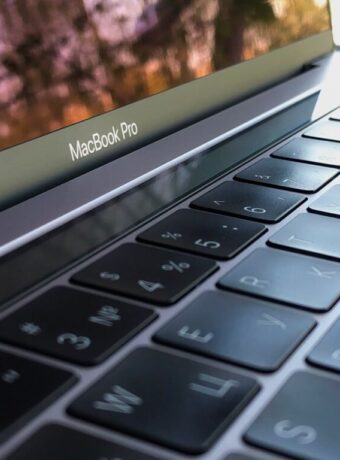
Premium laptop brands have effectively priced themselves out of the mainstream New Zealand market. MacBook Pros now start at $3,800, while ThinkPad X1 Carbon models are commanding $3,200-plus. These prices represent a fundamental shift from accessible business tools to executive-level privileges.
The psychological impact on workplace equity is worth considering. When only senior staff can access premium hardware while junior employees struggle with budget alternatives, it creates visible technology hierarchies that can damage team morale and productivity. Some companies are responding by standardising on mid-range options across all levels.
4. Refurbished Markets Are Experiencing a Gold Rush
The shortage has transformed New Zealand’s refurbished laptop market from a budget alternative into a mainstream necessity. Quality three-year-old business laptops are selling for 80% of their original retail price, while even five-year-old models command premium rates.
This shift represents a cultural change in how New Zealand businesses view technology assets. Previously, companies would avoid refurbished equipment due to warranty concerns and perceived reliability issues. Now, they’re actively seeking certified refurbished units as a strategic way to maintain operations without breaking budgets.
5. Local Assembly Options Are Gaining Serious Traction
The shortage is breathing new life into New Zealand’s dormant computer assembly industry. Several Auckland-based firms are exploring local laptop assembly using imported components, potentially reducing lead times from months to weeks.
While this approach can’t solve the global chip shortage, it offers more predictable delivery schedules and reduces shipping vulnerabilities. The economics are challenging — local assembly adds 15-20% to costs — but for businesses facing critical hardware needs, that premium is increasingly acceptable compared to six-month waits.
6. Leasing Models Are Becoming the New Normal
Smart businesses are pivoting away from outright purchases toward flexible leasing arrangements. These models offer several advantages: predictable monthly costs, guaranteed hardware refresh cycles, and protection against obsolescence risks. Leasing also transfers supply chain management to specialists who maintain inventory buffers.
The shift toward leasing represents a fundamental change in how New Zealand companies think about technology ownership. Instead of viewing laptops as depreciating assets, they’re treating them as operational services — a mindset that could persist even after supply chains normalise.
7. Remote Work Policies Need Immediate Updates
Companies with bring-your-own-device policies are discovering their competitive advantage. Employees using personal laptops eliminate corporate procurement challenges entirely, though this approach raises security and compliance questions that require careful management.
The challenge lies in balancing flexibility with control. While BYOD policies solve immediate hardware shortages, they create long-term support complexities and potential security vulnerabilities. Forward-thinking companies are developing hybrid approaches that provide hardware allowances while maintaining security standards.
The laptop shortage crisis will likely persist through 2026, fundamentally changing how New Zealand businesses approach technology procurement. Companies that adapt quickly — through strategic planning, alternative sourcing, and flexible policies — will maintain competitive advantages while others struggle with hardware constraints. This crisis may well accelerate the shift toward cloud-based computing and device-agnostic workflows that many organisations have been postponing for years.