NZ Tech Breakthroughs: Rocket Lab’s Neutron Rocket Enters Final Testing Phase
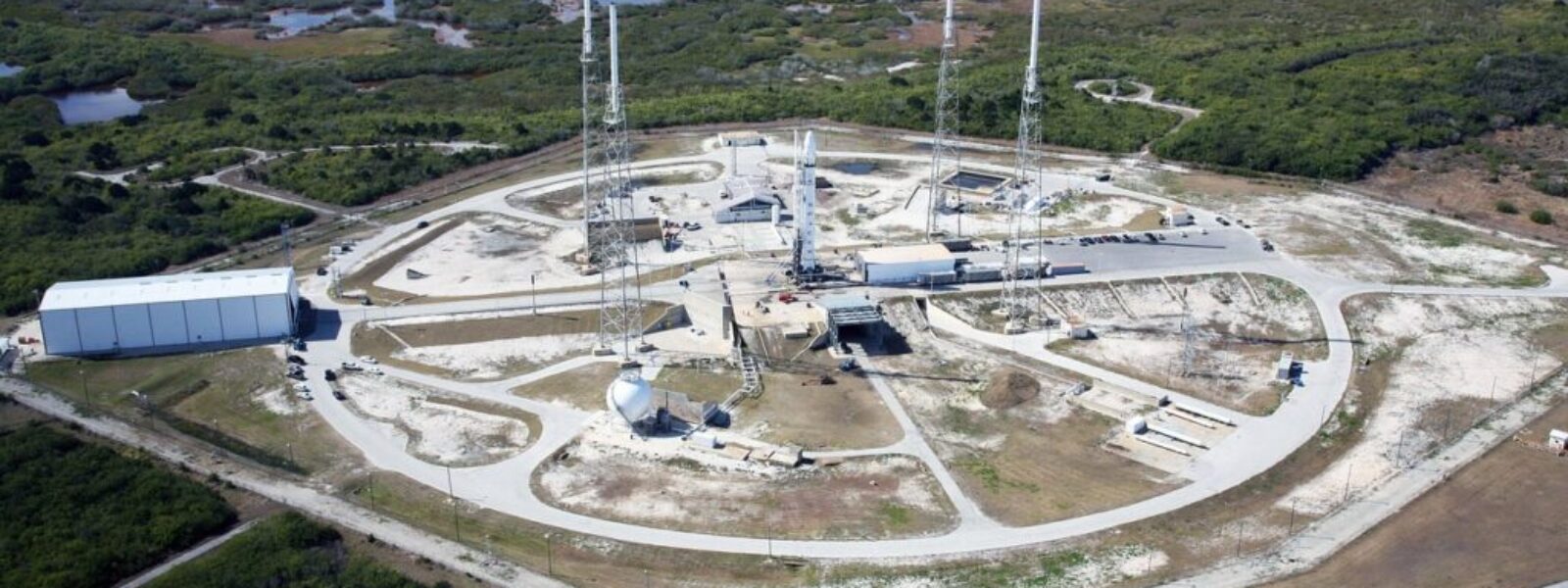
Rocket Lab’s Neutron rocket has entered its final testing phase at the company’s Mahia Peninsula facility, marking a pivotal moment for New Zealand’s space technology sector. The breakthrough represents a significant leap from small satellite launches to heavy-lift capabilities that could reshape global space commerce.
1. The testing milestone — Rocket Lab’s Neutron rocket has successfully completed its static fire tests this month, demonstrating the full-scale propulsion system that will enable launches of up to 15,000 kg to low Earth orbit. The Archimedes engines, developed entirely in-house at the company’s Auckland facility, performed within expected parameters during the 30-second burn test. This achievement positions New Zealand as one of only four countries capable of manufacturing and operating heavy-lift launch vehicles, alongside the United States, China, and Russia. The Neutron’s reusable first stage design incorporates advanced carbon composite materials manufactured using proprietary techniques developed by Rocket Lab’s New Zealand engineering teams.
Neutron Rocket Key Specifications
2. Economic implications for NZ — The Neutron program represents a $1.2 billion investment in New Zealand’s high-tech manufacturing capability, creating over 800 specialized jobs across Auckland and the Hawke’s Bay region. According to NZTech, the space technology sector now contributes $485 million annually to New Zealand’s GDP, with projections reaching $2.1 billion by 2030 if current growth trajectories continue. The ripple effects extend beyond aerospace, with advanced materials research, precision manufacturing, and software development sectors all benefiting from the technological spillovers. However, this rapid growth raises questions about New Zealand’s ability to retain talent and intellectual property as global competitors intensify their recruitment efforts targeting Kiwi aerospace engineers.

3. Technical breakthrough details — The Neutron’s Archimedes engines utilize a unique oxygen-rich staged combustion cycle that achieves 98.5% combustion efficiency, surpassing traditional rocket engines by 12-15%. The engines feature 3D-printed components manufactured using electron beam melting technology, reducing production time from six months to three weeks per engine. The rocket’s fairing recovery system employs autonomous drones and AI-powered trajectory prediction, technologies that could find applications in New Zealand’s agricultural and maritime sectors. The integration of these systems required developing new testing protocols and safety standards, establishing New Zealand as a regulatory leader in commercial spaceflight operations.
4. Global competitive positioning — Neutron’s entry into the heavy-lift market directly challenges SpaceX’s Falcon 9 monopoly on medium-to-heavy payload launches, with Rocket Lab offering 20% lower costs per kilogram to orbit. The company has secured $2.8 billion in launch contracts through 2028, including partnerships with NASA, the European Space Agency, and commercial satellite operators. This positions New Zealand’s space sector to capture approximately 15% of the global launch market by 2027, generating significant export revenue. Yet the sustainability of this competitive advantage remains uncertain, as established aerospace nations are rapidly developing their own reusable launch systems with substantially larger R&D budgets.
5. Infrastructure and regulatory framework — New Zealand’s streamlined space licensing regime, managed by the Ministry of Business, Innovation and Employment, has enabled Rocket Lab to conduct 47 launches with an average approval time of 45 days compared to 18 months in the United States. The government has invested $85 million in upgrading communications infrastructure and range safety systems at Mahia, creating capabilities that attract international launch providers. The Civil Aviation Authority has developed world-first protocols for managing commercial space traffic in New Zealand airspace, setting standards that other nations are now adopting. This regulatory efficiency provides a sustainable competitive advantage that technical capabilities alone cannot guarantee.
6. Challenges and risk factors — The concentration of New Zealand’s space breakthrough in a single company creates systemic risks if Rocket Lab faces technical setbacks or shifts operations offshore. The sector’s reliance on specialized rare earth materials and advanced composites exposes New Zealand to supply chain vulnerabilities, particularly given increasing geopolitical tensions affecting global trade. Environmental concerns regarding rocket exhaust impacts on Mahia’s sensitive ecosystems have prompted calls for more comprehensive environmental monitoring, potentially increasing operational costs. The brain drain risk intensifies as international aerospace companies actively recruit New Zealand’s limited pool of experienced space engineers with salary packages exceeding local capabilities by 40-60%.
7. Future implications and projections — Neutron’s success could catalyze New Zealand’s emergence as a comprehensive space technology hub, with potential applications extending to satellite manufacturing, space-based solar power, and asteroid mining support systems. The technologies developed for Neutron, particularly in autonomous systems and advanced materials, position New Zealand companies to compete in terrestrial markets including renewable energy and transportation. However, the historical precedent of New Zealand’s telecommunications sector suggests caution — initial breakthrough advantages can erode rapidly without sustained investment in R&D and talent retention. The next 18 months will prove critical as Neutron transitions from testing to operational launches, determining whether this NZ tech breakthrough translates into lasting economic transformation or remains a singular achievement in a globally competitive landscape.