Claude Chat Cowork Features Transform New Zealand Remote Teams in 2026
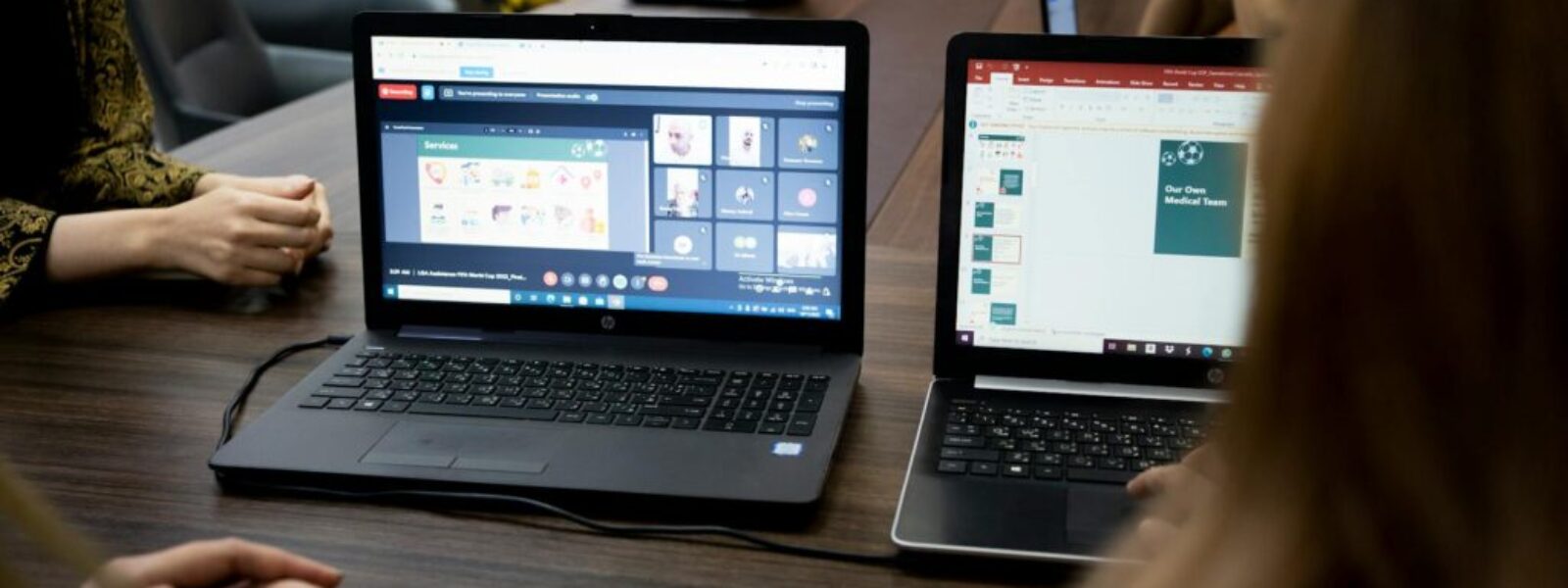
Anthropic’s Claude Chat has rolled out new cowork features specifically designed for remote collaboration, prompting New Zealand businesses to reconsider their approach to AI-powered teamwork. Early adoption rates among Kiwi companies suggest this could fundamentally change how distributed teams operate across the country.
What exactly is Claude Chat Cowork and how does it work?
Claude Chat Cowork Adoption in NZ
Claude Chat Cowork is Anthropic’s latest suite of collaborative AI features that allows multiple team members to work simultaneously within shared AI conversations. Unlike traditional chatbots that operate in isolation, these cowork features enable real-time collaboration where team members can see each other’s prompts, share context seamlessly, and build on collective AI interactions. The system maintains persistent workspaces where teams can return to ongoing projects, complete with full conversation history and shared resources.

The technology essentially transforms Claude from a personal AI assistant into a collaborative workspace. Teams can invite colleagues into shared sessions, assign different roles and permissions, and even create templates for common workflows. What sets this apart from existing collaboration tools is the AI’s ability to understand and contribute to group dynamics, rather than simply responding to individual queries.
Why are New Zealand businesses adopting this technology now?
The timing couldn’t be more relevant for New Zealand’s workforce landscape. With remote work solidified as a permanent fixture for many Kiwi companies post-pandemic, businesses are desperately seeking tools that can recreate the spontaneous collaboration that once happened around office whiteboards. According to PwC New Zealand, the finding showed that 73% of New Zealand businesses are actively investing in AI-powered collaboration tools to bridge the gap between distributed teams.
The appeal lies in Claude’s ability to serve as both a neutral facilitator and an active contributor to brainstorming sessions. Teams report that having an AI participant actually improves meeting dynamics – it asks clarifying questions that humans might hesitate to raise, synthesises complex discussions into actionable points, and maintains focus when conversations drift. For a country where many businesses operate across multiple time zones with remote workers, this persistent, always-available collaboration partner addresses a genuine pain point.
Which types of New Zealand businesses are seeing the biggest impact?
Creative agencies and marketing firms in Auckland and Wellington are leading the charge, using Claude Chat Cowork for campaign development and client strategy sessions. Software development teams, particularly in the growing NZ tech sector, are leveraging it for code reviews and architecture planning. Even traditional industries are finding applications – construction firms use it for project planning discussions, while agricultural businesses employ it for seasonal planning and supply chain coordination.
Professional services firms have been particularly enthusiastic adopters. Law firms are using shared Claude sessions for case strategy development, while accounting practices employ it for complex client advisory work. The legal sector’s adoption is especially noteworthy given their traditionally conservative approach to new technology – yet the ability to have confidential, persistent discussions with AI assistance is proving transformative for case preparation and client service delivery.
What challenges are Kiwi businesses encountering with implementation?
Despite the enthusiasm, New Zealand companies are grappling with several integration challenges. The most significant hurdle is data sovereignty – many businesses remain concerned about sensitive information passing through offshore AI systems, even with Anthropic’s security assurances. This is particularly acute for government contractors and businesses in regulated industries like banking and healthcare.
There’s also a learning curve around collaboration etiquette in AI-enhanced environments. Teams are discovering they need new protocols for when to include Claude in discussions, how to structure prompts for group consumption, and how to maintain human agency when AI contributions become dominant. Some businesses report initial productivity dips as teams adjust to these new dynamics, though this typically resolves within 2-3 weeks of regular use.
How does this compare to other collaborative AI tools available in New Zealand?
While Microsoft’s Copilot integration with Teams has been available to New Zealand businesses for over a year, Claude Chat Cowork offers a more conversational and flexible approach. Where Copilot excels at structured tasks within familiar Microsoft workflows, Claude’s strength lies in open-ended creative collaboration and complex problem-solving discussions. Google’s Workspace AI features, popular among NZ small businesses, focus more on individual productivity enhancement rather than true collaborative intelligence.
The key differentiator is Claude’s ability to maintain context across long, multi-session projects while actively contributing ideas rather than simply responding to requests. This makes it particularly valuable for industries where projects span weeks or months, and where creative input is valued alongside analytical capability. However, businesses already deeply embedded in Microsoft or Google ecosystems may find the switching costs prohibitive, despite Claude’s superior conversational abilities.
What should New Zealand business leaders consider before implementing Claude Chat Cowork?
The most critical consideration is establishing clear governance around AI collaboration. Successful implementations require explicit policies about data handling, decision-making authority when AI and human opinions differ, and protocols for maintaining accountability in AI-assisted work. Businesses should also invest in training not just on the technical features, but on the soft skills of human-AI collaboration.
Cost considerations are also significant. While Claude Chat Cowork pricing is competitive with enterprise collaboration tools, the true cost includes training time, potential integration with existing systems, and the opportunity cost of transitioning from established workflows. Smart New Zealand businesses are running pilot projects with specific teams or projects before company-wide rollouts, allowing them to refine processes and demonstrate ROI before broader investment.
What’s the long-term outlook for AI collaboration in New Zealand workplaces?
The trajectory suggests we’re moving toward AI as a standard team member rather than an occasional tool. As New Zealand businesses become more comfortable with AI collaboration, we’re likely to see integration with local business systems, industry-specific customizations, and even AI assistants trained on New Zealand business practices and regulations. The early success of Claude Chat Cowork is paving the way for more sophisticated AI workplace integration across all sectors of the New Zealand economy.
However, the human element remains crucial. The most successful implementations treat AI as an enhancement to human collaboration rather than a replacement. As one Wellington tech CEO noted, “Claude doesn’t replace our team meetings – it makes them more productive and ensures nothing important gets lost in the shuffle.” This balanced approach will likely define successful AI workplace integration across New Zealand in the years ahead.