
AI Productivity Tools Transform New Zealand Workplace Operations: What Business Leaders Need to Know
A wave of AI productivity tools is sweeping through New Zealand workplaces, with companies reporting significant efficiency gains and cost savings. However, the rapid adoption has also raised questions about employee training, data security, and the future of traditional work processes.
What’s happening with AI productivity tools in New Zealand workplaces?
AI Adoption Impact in NZ Workplaces
New Zealand businesses are experiencing an unprecedented surge in AI productivity tool adoption. From automated document generation and intelligent scheduling assistants to advanced data analysis platforms, companies across sectors are integrating artificial intelligence into their daily operations. The shift has been particularly pronounced in professional services, finance, and technology sectors, where knowledge workers are leveraging AI to streamline routine tasks and focus on higher-value activities.
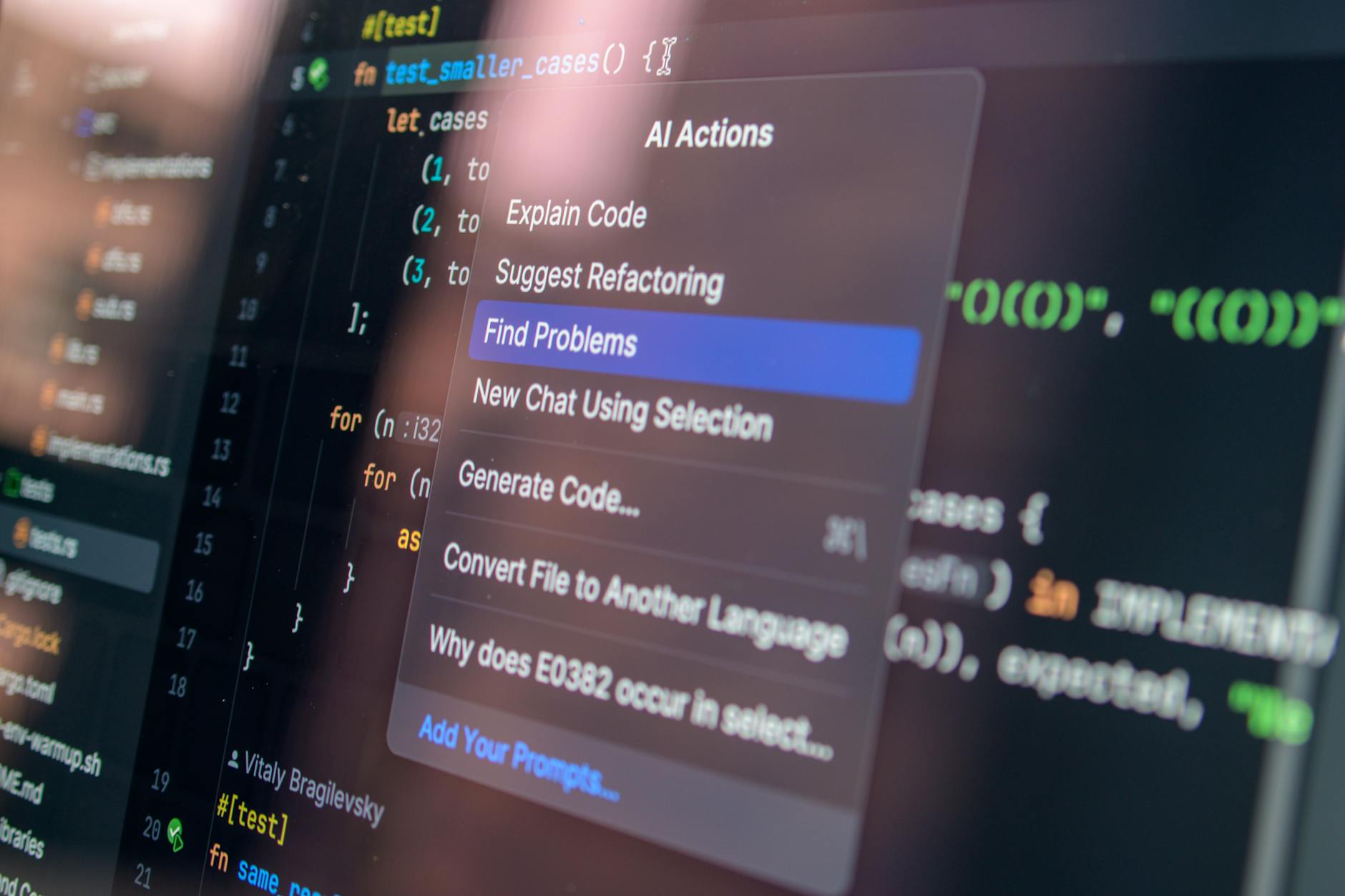
The transformation isn’t limited to large corporations. Small and medium enterprises are increasingly accessing sophisticated AI capabilities through cloud-based platforms, democratizing tools that were previously available only to tech giants. This has leveled the playing field in ways that many industry observers didn’t anticipate even two years ago.
Why is this transformation accelerating now?
Several factors are driving the rapid adoption of AI productivity tools in New Zealand workplaces. The maturation of large language models and their integration into everyday business applications has made AI more accessible and user-friendly than ever before. Unlike earlier enterprise AI solutions that required extensive technical expertise, today’s tools can be deployed by non-technical staff with minimal training.
The tight labor market in New Zealand has also pushed businesses to seek efficiency gains through technology. According to NZTech, the survey found that 78% of participating companies reported measurable productivity improvements within six months of implementing AI tools. Economic pressures and the need to remain competitive in global markets have further accelerated adoption, particularly as international clients increasingly expect AI-enhanced service delivery.
Which New Zealand businesses are being affected most?
Professional services firms are leading the charge, with law practices, accounting firms, and consulting companies reporting the most dramatic workflow changes. Legal document review, contract analysis, and regulatory compliance tasks that once consumed hours are now completed in minutes. Accounting firms are using AI for financial analysis, audit procedures, and client advisory services, fundamentally changing how they deliver value.
The marketing and creative industries have also seen significant transformation. Agencies are leveraging AI for content creation, campaign optimization, and customer insights analysis. However, this sector has faced the steepest learning curve, as creative professionals grapple with balancing AI efficiency gains against maintaining human creativity and brand authenticity. Manufacturing and logistics companies, while slower to adopt, are beginning to integrate AI tools for supply chain optimization and predictive maintenance scheduling.
What does this mean for New Zealand business operations?
The implications extend far beyond simple efficiency gains. Companies are restructuring entire departments around AI-augmented workflows, leading to new job roles focused on AI tool management and human-AI collaboration. Traditional hierarchies are flattening as junior staff equipped with AI tools can now perform tasks previously requiring senior expertise.
Data governance has become a critical concern as businesses process increasing volumes of information through AI systems. Many companies are establishing new protocols for data handling, privacy protection, and AI decision auditing. The shift is also creating competitive advantages for early adopters, who can offer faster turnaround times and more sophisticated analysis than competitors still relying on traditional methods.
What challenges are emerging from this rapid adoption?
Despite the benefits, New Zealand businesses are encountering significant implementation challenges. Skills gaps are emerging as companies struggle to find employees who can effectively manage AI tools while maintaining quality standards. Many organizations report that their existing staff need substantial retraining to work effectively alongside AI systems.
There’s also growing concern about over-reliance on AI tools, particularly in decision-making processes. Some companies have experienced quality issues when staff become too dependent on AI-generated outputs without applying sufficient human oversight. Data security and intellectual property protection present ongoing challenges, especially for firms handling sensitive client information. The risk of AI hallucinations and errors in critical business processes has prompted many companies to implement extensive verification procedures, sometimes negating initial efficiency gains.
How are employees responding to AI integration?
Employee reactions have been mixed, creating complex management challenges for business leaders. While many workers appreciate AI tools that eliminate tedious tasks and enable focus on strategic work, others express anxiety about job security and skill obsolescence. Generational divides are apparent, with younger employees typically embracing AI tools more readily than their senior colleagues.
Successful implementations often involve comprehensive change management programs that emphasize AI as augmentation rather than replacement. Companies investing in employee training and clear communication about AI’s role in their future operations report higher adoption rates and better outcomes. However, resistance persists in some quarters, particularly among professionals who view AI as threatening their expertise and value proposition.
What happens next for AI in New Zealand workplaces?
The trajectory suggests continued acceleration, but with greater sophistication in implementation approaches. Companies are moving beyond basic productivity tools toward more specialized AI applications tailored to specific industry needs. Integration with existing enterprise systems will deepen, creating more seamless workflows that blur the lines between human and artificial intelligence contributions.
Regulatory frameworks are likely to evolve as the government grapples with AI’s workplace implications, particularly around employment law and data protection. Industry associations are beginning to develop best practice guidelines for AI implementation, which may become de facto standards. The competitive landscape will continue shifting, with AI capabilities becoming table stakes for many sectors rather than differentiators. Companies that fail to adapt risk being left behind, while those that master human-AI collaboration will likely dominate their markets.