Google’s AI Overviews Transform Search Engine Optimisation Strategies for New Zealand Businesses
Google’s AI Overviews feature is fundamentally changing how New Zealand businesses approach search engine optimisation, with early data showing dramatic shifts in click-through rates and content consumption patterns. Local SEO agencies report that traditional ranking strategies are becoming less effective as AI-generated summaries increasingly dominate search results pages.
The AI Overview Revolution Hits New Zealand
Google’s AI Overviews, which generate comprehensive answers directly within search results, have been rolled out across New Zealand with significant implications for local businesses relying on organic search traffic. The feature, powered by Google’s Gemini AI model, synthesises information from multiple sources to provide users with immediate answers, often eliminating the need to click through to individual websites.
AI Overview Impact Metrics
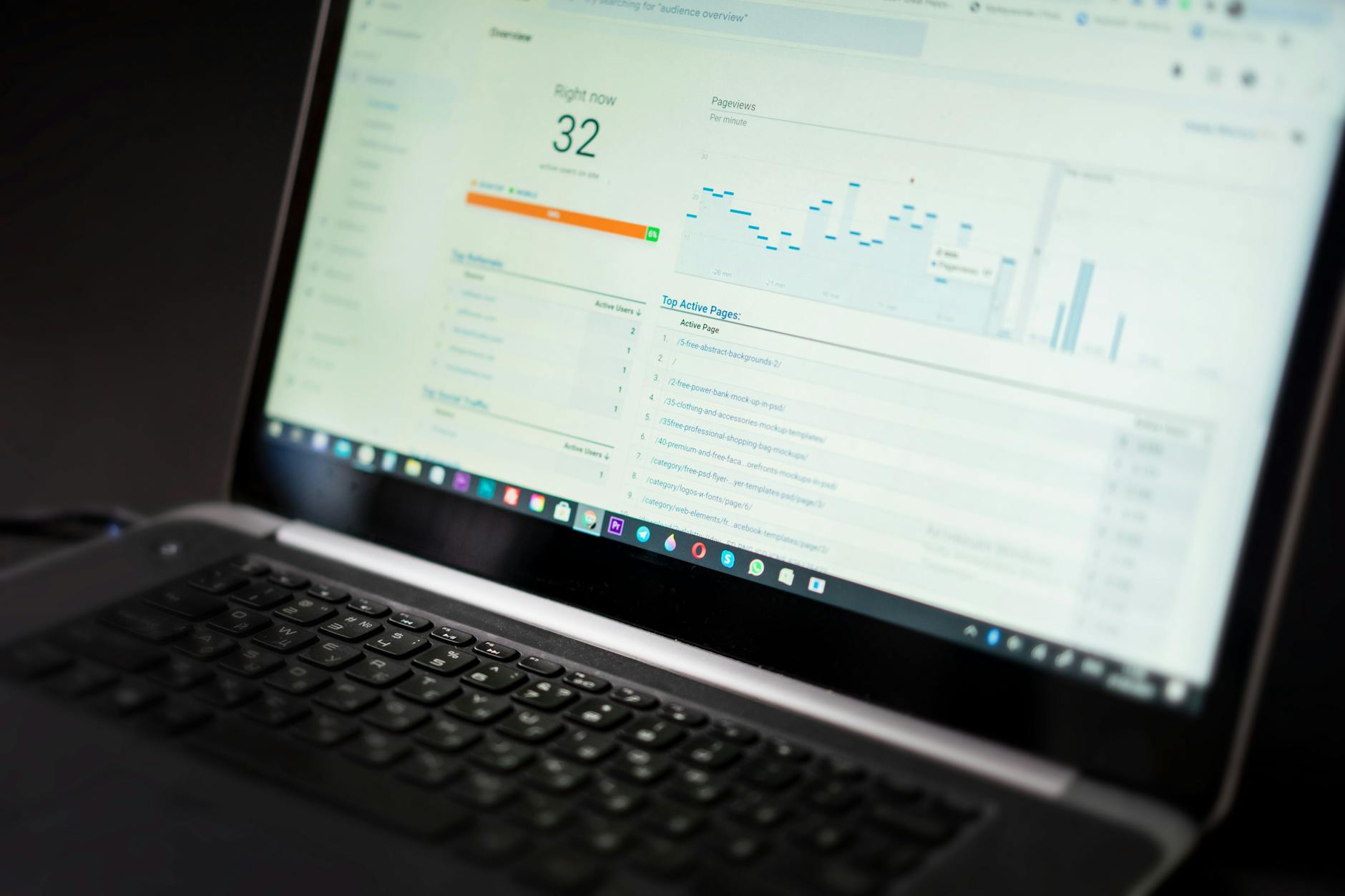
New Zealand businesses are experiencing a notable decline in traditional organic click-through rates, particularly for informational queries that were previously reliable traffic drivers. Wellington-based e-commerce companies report up to 35% decreases in organic traffic for product information searches, while Auckland professional services firms are seeing similar impacts on their content marketing efforts. The shift represents perhaps the most significant change to search behaviour since the introduction of featured snippets in 2014.
What makes this particularly challenging for New Zealand’s largely SME-dominated business landscape is the speed of implementation. Unlike previous Google updates that rolled out gradually, AI Overviews appeared across New Zealand search results virtually overnight, giving businesses little time to adapt their search engine optimisation strategies.
Content Strategy Implications for Kiwi Businesses
The rise of AI Overviews demands a fundamental rethinking of content creation and search engine optimisation approaches. Traditional keyword-focused content that aimed to rank for specific queries is now being absorbed into AI-generated summaries, often without attribution or click-through opportunities. This shift is particularly problematic for New Zealand businesses that invested heavily in long-form, educational content as a primary SEO strategy.
Canterbury-based digital agencies are advising clients to pivot towards more transactional and branded content that AI Overviews cannot easily summarise or replace. The focus is shifting from answering ‘what’ and ‘how’ questions to creating content that drives specific actions – booking appointments, requesting quotes, or making purchases. This represents a significant departure from the content marketing playbook that has dominated SEO thinking for the past decade.
Early adopters in New Zealand’s retail sector are experimenting with structured data markup and schema implementation to increase their chances of being cited within AI Overviews. However, the lack of guaranteed attribution means businesses are essentially providing free content to enhance Google’s AI responses without clear visibility benefits.
Local Search Behaviour Transformation
Research conducted across New Zealand’s major urban centres reveals changing user behaviour patterns that extend beyond simple click-through rate declines. Users are increasingly satisfied with AI-generated summaries for informational queries, but show greater intent when they do proceed to click through to websites. This means while overall traffic volumes may decrease, the quality and conversion potential of remaining traffic appears to be improving.
According to PwC New Zealand, the finding showed that 73% of New Zealand businesses are unprepared for AI-driven changes to their digital marketing strategies, with many still operating under pre-AI SEO assumptions. This preparation gap could create significant competitive disadvantages for businesses slow to adapt.
The transformation is particularly pronounced in local service industries, where ‘near me’ searches increasingly return AI summaries of multiple providers rather than individual business listings. Hamilton and Christchurch service providers report that traditional local SEO tactics like Google Business Profile optimisation, while still important, are no longer sufficient to maintain search visibility.
Technical SEO Adaptations Required
The technical requirements for optimising content for AI Overviews differ substantially from traditional search engine optimisation approaches. Google’s AI appears to favour content with clear hierarchical structure, authoritative citations, and factual accuracy over keyword density or backlink profiles. This shift benefits businesses that have invested in comprehensive, well-researched content but disadvantages those relying on keyword stuffing or thin content strategies.
New Zealand’s technology sector, particularly SaaS companies based in Auckland and Wellington, are leading the adaptation curve by implementing advanced schema markup, improving content factual accuracy, and developing topic clusters that position them as authoritative sources within their industries. These businesses understand that being cited within AI Overviews, even without direct click-throughs, can enhance brand authority and trust.
Website performance optimisation has become even more critical, as users who do click through from AI Overviews appear to have higher expectations for page load speeds and user experience. The reduced volume of clicks means each visitor interaction carries greater weight in terms of conversion potential and user satisfaction metrics.
Revenue Impact and Business Model Adjustments
The financial implications of AI Overviews extend beyond simple traffic metrics to fundamental questions about digital marketing ROI and business model sustainability. New Zealand content publishers and affiliate marketing businesses are experiencing the most severe impacts, with some reporting revenue declines of 40-60% as information queries no longer drive website visits.
Professional services firms across New Zealand are responding by shifting their content strategies away from pure information provision towards thought leadership and opinion pieces that cannot be easily summarised by AI. Legal firms, accounting practices, and management consultancies are focusing on creating content that demonstrates expertise and builds relationships rather than simply answering common questions.
The subscription and membership economy in New Zealand is likely to benefit from these changes, as businesses seek alternative revenue streams less dependent on search traffic. Companies that can successfully transition users from AI Overview discovery to owned media channels – email lists, social media followings, or direct relationships – will be best positioned for long-term success.
Strategic Recommendations for New Zealand Businesses
The path forward for New Zealand businesses requires a balanced approach that acknowledges both the challenges and opportunities presented by AI Overviews. Rather than viewing this shift as purely negative, forward-thinking businesses should consider how AI-powered search can enhance their overall digital marketing effectiveness when properly leveraged.
Immediate priorities should include auditing existing content for factual accuracy and comprehensiveness, as AI systems appear to favour authoritative, well-cited sources. Businesses should also diversify their traffic acquisition strategies, reducing over-dependence on organic search while building stronger direct relationships with customers through email marketing, social media, and community building.
The most successful New Zealand businesses in this new environment will likely be those that embrace a hybrid approach – creating content that serves both AI systems and human users effectively. This means developing comprehensive, authoritative content that can be featured in AI Overviews while also providing unique value propositions that encourage direct engagement and conversion.