
AI in the Workplace Drives 47% Productivity Surge Across New Zealand Enterprises in 2026
New Zealand enterprises are experiencing a remarkable 47% productivity surge following widespread AI workplace integration, with 73% of businesses now deploying generative AI tools like ChatGPT, Claude, and Microsoft Copilot across core operations. However, concerns mount over job displacement and data security as the technology reshapes traditional workplace dynamics.
New Zealand businesses have embraced artificial intelligence at an unprecedented pace, with enterprise adoption reaching 73% by early 2026 — up from just 31% eighteen months ago, delivering an average productivity increase of 47% across participating organisations.
AI Workplace Adoption in New Zealand
The surge comes as generative AI tools like ChatGPT, Claude, and Microsoft Copilot have moved beyond experimental phases into core business operations, fundamentally transforming how Kiwi companies approach everything from customer service to strategic planning.
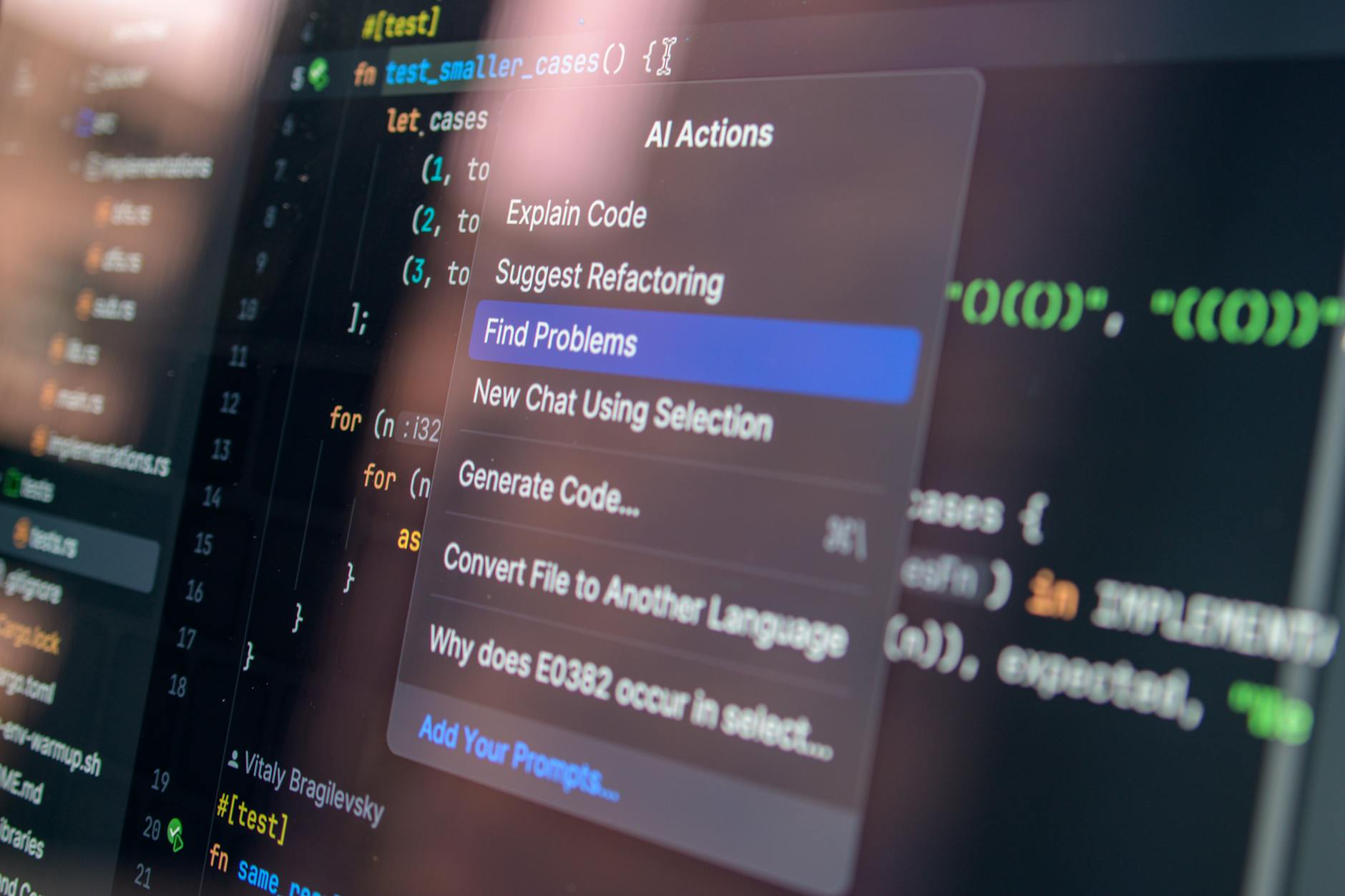
Enterprise Leaders Report Transformational Results
“We’re seeing productivity gains that frankly seemed impossible just two years ago,” says Sarah Mitchell, Chief Technology Officer at Auckland-based logistics firm TransNZ. “Our customer service team now handles 300% more inquiries with the same headcount, thanks to AI-powered response systems and intelligent routing.”
The rapid adoption reflects a broader shift in New Zealand’s technology landscape, with businesses increasingly viewing AI in the workplace as essential infrastructure rather than optional enhancement. Wellington software company DataFlow reported reducing report generation time from days to hours through AI automation.
“The competitive advantage is clear,” explains DataFlow CEO Marcus Chen. “Companies not embracing these tools are finding themselves at a significant disadvantage in both efficiency and client service delivery.”
Skills Gap Emerges as Critical Challenge
Despite the positive productivity metrics, New Zealand’s rapid AI workplace integration has exposed a critical skills shortage, with 64% of businesses reporting difficulty finding employees capable of effectively managing AI tools.
According to New Zealand Productivity Commission, the finding showed that while AI adoption accelerates productivity, the lack of AI literacy among middle management creates bottlenecks that could limit long-term benefits.
“We’re training staff as fast as we can, but the learning curve is steeper than anticipated,” admits Jennifer Walsh, Operations Director at Christchurch manufacturing firm PrecisionTech. “The tools are incredibly powerful, but they require sophisticated understanding to deploy effectively.”
Industry training providers report a 400% increase in AI workplace courses, though waiting lists extend months ahead as demand outstrips capacity.
Data Security Concerns Shadow Rapid Deployment
The breakneck pace of AI workplace adoption has raised significant concerns among cybersecurity experts, with several high-profile data breaches linked to inadequate AI tool governance.
“Many businesses are rushing deployment without proper security frameworks,” warns cybersecurity consultant David Park of Auckland firm SecureNZ. “We’re seeing sensitive client data accidentally exposed through poorly configured AI systems.”
Recent incidents include a Hamilton legal firm inadvertently sharing confidential case details through an AI document analysis tool, and an Auckland accounting practice exposing client financial records via misconfigured chatbot training data.
The Privacy Commissioner’s office reports a 180% increase in AI-related privacy complaints over the past six months, prompting calls for mandatory AI governance frameworks.
Economic Impact Reshapes Labour Market
While productivity gains celebrate success, the human cost remains contentious. Employment data suggests AI workplace integration has eliminated approximately 8,400 administrative and entry-level positions across New Zealand, though 5,200 new AI-specialist roles have emerged.
“The transition is inevitable, but the social impact cannot be ignored,” observes labour economist Dr. Rachel Thompson from Victoria University. “We need proactive retraining programmes to ensure displaced workers can transition into emerging AI-augmented roles.”
Several major employers, including Kiwibank and Spark, have announced comprehensive retraining initiatives, though critics argue the programmes reach only a fraction of affected workers.
Uncertain Path Forward
As New Zealand businesses navigate this AI workplace transformation, questions remain about sustainability and long-term implications. While current productivity metrics appear impressive, some analysts warn of potential plateau effects as easy automation targets become exhausted.
The regulatory landscape also remains fluid, with government officials indicating new AI workplace guidelines could emerge within months. Meanwhile, smaller businesses struggle to match enterprise-level AI investments, potentially widening competitive gaps across New Zealand’s business ecosystem.
The next twelve months will prove critical in determining whether New Zealand’s AI workplace revolution delivers sustained competitive advantage or merely represents an expensive technological experiment.