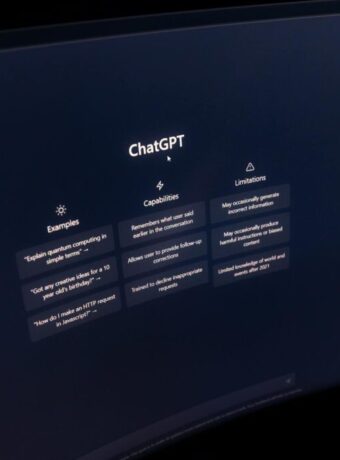
AI Chatbot Malfunction Floods NZ Government Helplines as Viral TikTok Trend Exposes System Vulnerabilities
A viral TikTok challenge exploiting AI chatbot vulnerabilities has crashed multiple New Zealand government helplines, affecting over 200,000 users in 48 hours. The trend, dubbed #ChatbotChaos, has exposed critical flaws in public sector AI systems and triggered emergency responses across Wellington agencies.
Over 200,000 New Zealanders found themselves locked out of essential government services this weekend as a viral social media trend overwhelmed AI-powered helpline systems across multiple agencies. The #ChatbotChaos challenge, which originated on TikTok Friday afternoon, encouraged users to bombard government chatbots with nonsensical queries designed to trigger system loops and crashes.
ChatbotChaos Impact by Numbers
The Department of Internal Affairs, Inland Revenue, and Work and Income chatbots all experienced complete failures by Saturday morning, with some systems remaining offline into Monday. The viral trend has since spread to Australia and the UK, raising international concerns about AI system resilience.
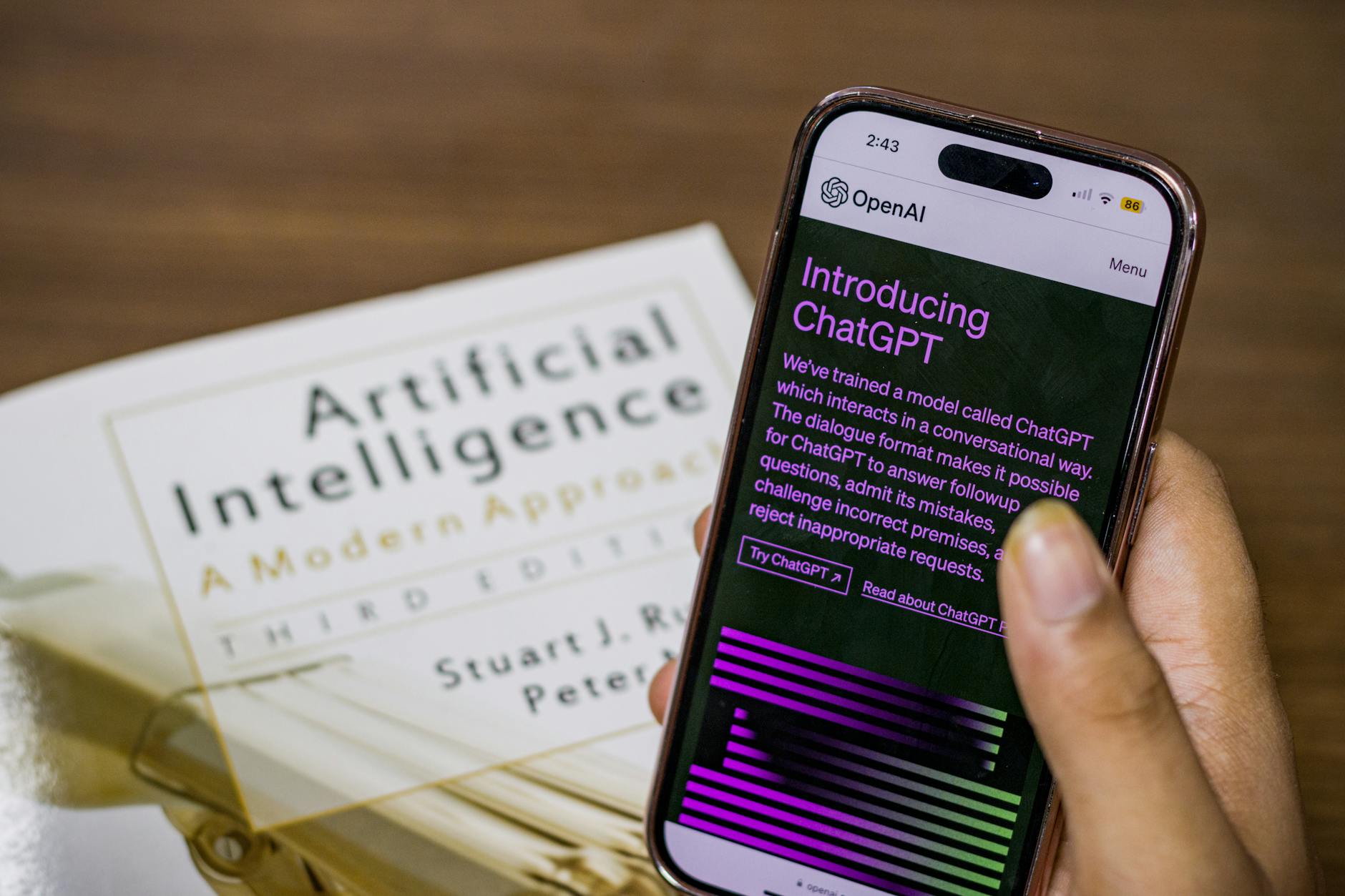
Government Scrambles for Emergency Response
Digital Government Minister Sarah Chen described the incident as “an unprecedented attack on our digital infrastructure by social media users seeking entertainment at taxpayers’ expense.” Speaking from Parliament Monday morning, Chen announced an immediate review of all AI-powered public services.
“We’ve had to deploy emergency call centre staff and revert to manual processing for thousands of urgent benefit applications and tax queries,” Chen told reporters. “The cost to taxpayers could exceed $2 million in overtime and system recovery alone.”
Internal Affairs Chief Digital Officer Mark Williams revealed the scale of the disruption during an emergency briefing. “Between Friday 3pm and Sunday midnight, we recorded over 800,000 malicious queries designed specifically to overwhelm our AI systems,” Williams said. “Some individual users submitted thousands of nonsensical requests within minutes, creating cascading failures across our entire digital ecosystem.”
Tech Industry Warns of Deeper Vulnerabilities
The incident has exposed fundamental weaknesses in New Zealand’s rapid adoption of AI technology across government services. According to NZTech, the finding showed that 73% of government AI systems lack adequate safeguards against coordinated attacks or unusual usage patterns.
Auckland University AI researcher Dr Lisa Patel warned that the viral trend represents only the “tip of the iceberg” for potential AI vulnerabilities. “These chatbots were deployed without proper stress testing or adversarial training,” Patel explained. “What we’re seeing is the inevitable result of prioritising speed over security in government digital transformation.”
TikTok user @KiwiTechHacker, who claims to have started the #ChatbotChaos trend, has gained over 400,000 followers since Friday. In a video posted Sunday, they defended their actions as “exposing critical flaws that could be exploited by actual bad actors.”
International Implications and Industry Response
The New Zealand incident has triggered similar copycat trends across social media platforms globally, with government AI systems in Melbourne, London, and Toronto reporting unusual activity spikes. Meta, TikTok’s parent company, announced Monday it would implement “enhanced monitoring” for trends targeting critical infrastructure.
Wellington-based AI consultancy firm DataSecure CEO James Morrison described the situation as a “wake-up call” for the entire industry. “Government agencies rushed to deploy AI without considering the unique risks of public-facing systems,” Morrison said. “This viral trend has essentially conducted a free penetration test on our entire digital government infrastructure.”
The incident has also sparked calls for stricter regulation of AI deployment in critical services. Opposition Digital Affairs spokesperson Tom Richardson demanded “immediate suspension” of all government AI chatbots until comprehensive security audits are completed.
Uncertain Path Forward for Digital Government
As government IT teams work around the clock to restore full functionality, questions remain about the long-term impact on New Zealand’s digital-first approach to public services. The Department of Internal Affairs estimates it will take at least two weeks to implement new safeguards and fully restore all affected systems.
Privacy Commissioner Helen Baker announced a formal investigation into whether the incident compromised any personal data, while the Government Chief Digital Officer has called for an emergency meeting with all major social media platforms operating in New Zealand.
The viral nature of the attack has highlighted the unprecedented challenges facing digital governance in an era where social media trends can instantly mobilise hundreds of thousands of users against critical infrastructure. As copycat incidents emerge globally, New Zealand’s response may set international precedents for protecting AI systems from viral social media exploitation.